
Keller Photographic Blog

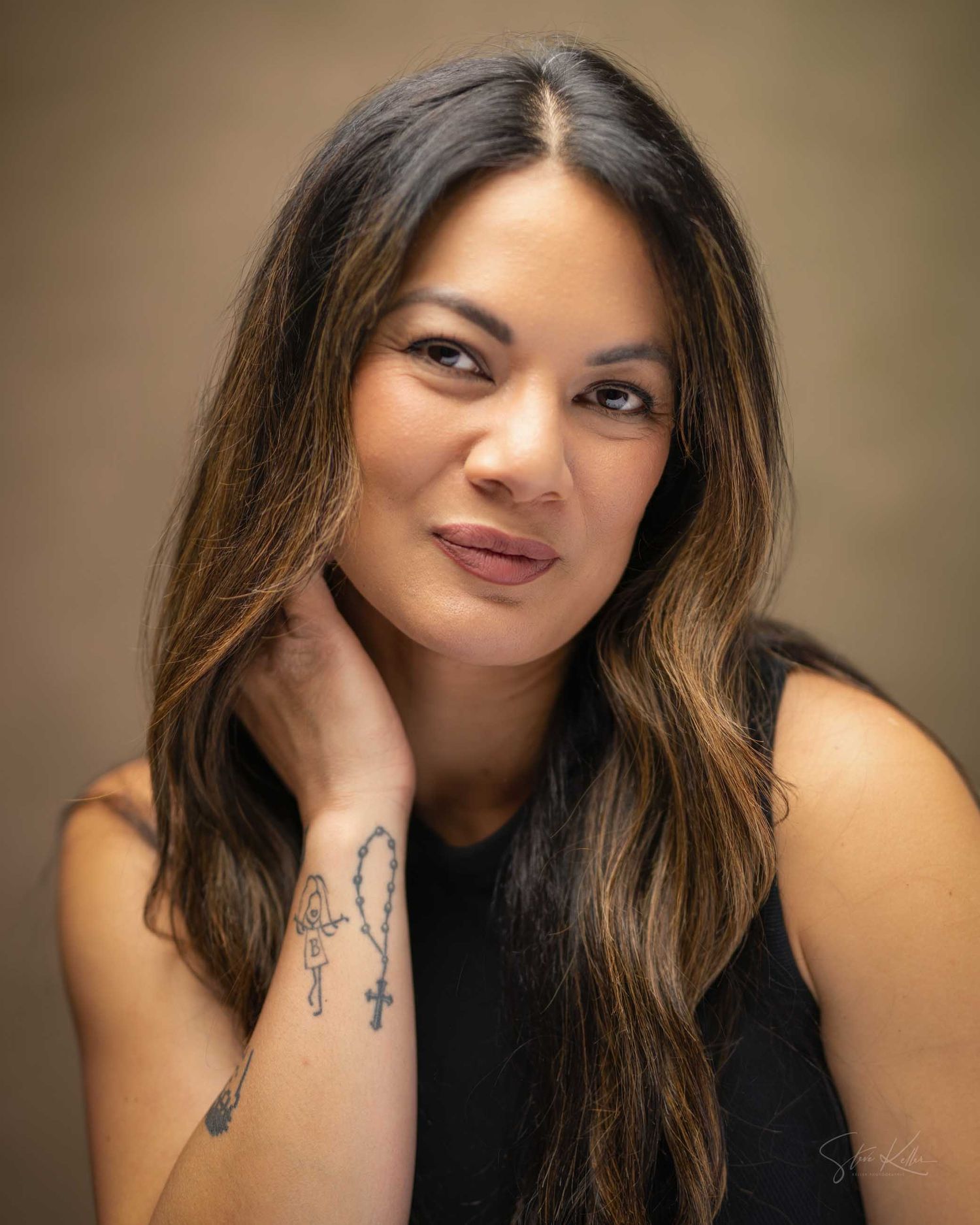

#4 - Learn what makes the best headshots for LinkedIn profiles, from expression and styling to lighting, posing, and choosing a photo that feels credible.
A LinkedIn photo is often doing quiet work before you ever send a message, apply for a role, or take a meeting. The best headshots for LinkedIn profiles do not look stiff, overly polished, or generic. They feel credible at a glance, professional without becoming impersonal, and confident without trying too hard.
That balance matters because LinkedIn is not a dating app, a corporate directory from 2007, or a place for heavily filtered self-portraits. It is a professional platform where people make fast judgments based on subtle cues - expression, posture, styling, background, and image quality. A strong headshot helps people trust you more quickly. A weak one creates friction, even when they cannot quite explain why.
## What the best headshots for LinkedIn profiles actually do
A strong LinkedIn headshot communicates competence, approachability, and self-awareness in a single frame. That sounds simple, but those qualities are shaped by dozens of small decisions. The angle of the shoulders affects how open you appear. The crop changes how present and readable your face feels on a small screen. Even the way light falls across the eyes can make a portrait feel warm and engaging or flat and forgettable.
The best images also match the professional story you want to tell. A trial attorney, startup founder, therapist, architect, and creative director should not all have the exact same kind of portrait. They may all need polish, but polish is not one-size-fits-all. For some professionals, a direct gaze and tailored jacket are right. For others, softer styling and a more relaxed expression create the stronger result.
This is where many people go wrong. They look for a headshot that seems universally professional instead of one that is professionally accurate for their field, seniority, and personality. A good LinkedIn portrait should feel like the most composed and assured version of you, not a costume.
## Expression matters more than most people think
People often focus first on clothing, but expression usually decides whether a headshot works. If your face looks tense, distracted, guarded, or overly rehearsed, the image will not invite connection. If it looks too casual or exaggeratedly cheerful, it can lose authority.
The sweet spot is usually a relaxed, attentive expression with a hint of warmth. Not every strong LinkedIn headshot needs a broad smile. In fact, depending on your industry, a smaller expression can feel more grounded and executive. But nearly everyone benefits from eyes that feel engaged and alert rather than blank or overly posed.
This is one reason professionally directed sessions matter. Most people are not naturally comfortable the moment a camera appears. Good direction helps bring out subtle confidence rather than forcing a performative version of it. The difference is visible.
## Styling should support your role, not distract from it
Wardrobe for LinkedIn headshots works best when it is intentional, clean, and aligned with your professional environment. That does not always mean formal. A blazer may be right for one person and unnecessary for another. The better question is whether your clothing supports the impression you need to make.
Solid colors tend to photograph well because they keep attention on the face. Mid-tones and richer neutrals often work beautifully, while extremely bright colors or busy patterns can compete with expression. Fit matters as much as color. A beautifully tailored shirt or jacket reads as polished in ways a wrinkled or oversized garment never will.
Jewelry, makeup, and grooming should be handled with the same principle in mind. Refined is different from invisible, but it should still feel controlled. If someone notices the styling before they notice you, something is probably off.
There is also a trade-off here. A highly stylized portrait can be memorable, especially in creative industries, but if it becomes too editorial it may stop feeling like a LinkedIn image. On the other hand, going too plain can flatten your personality. The best result usually lives in the middle - elevated, thoughtful, and unmistakably you.
## Why lighting and background shape credibility
Professional lighting is not just about looking flattering. It creates clarity, dimensionality, and focus. A well-lit portrait gives structure to the face and makes the eyes feel present. Cheap overhead lighting, harsh shadows, or flat phone lighting tend to do the opposite.
Background choice matters for the same reason. The best LinkedIn headshots usually keep the environment simple enough that the viewer stays with the subject. Neutral studio backgrounds are popular because they are timeless and versatile. Environmental portraits can also work well when the setting adds something meaningful, such as a law office, design studio, or workspace with strong visual restraint.
The mistake is choosing a background because it is interesting rather than because it is useful. A skyline, a busy office, or an outdoor setting with too much visual noise can weaken the portrait. The goal is not to show everything about your world. It is to present you clearly within it.
## The crop and pose should feel modern
LinkedIn headshots are usually viewed small, often on phones. That means composition needs to be clean and readable. A crop that is too wide makes the face feel distant. One that is too tight can feel awkward or intense. In most cases, head-and-shoulders or upper-torso framing works best.
Posing should feel natural but not casual to the point of collapse. Good posture creates presence. Slight turns of the body often look more flattering and dynamic than facing the camera straight on, but there are exceptions. A front-facing pose can be powerful when the expression is strong and the styling is sharp.
Again, it depends on the role. Executives often benefit from calm authority in posture and gaze. Service professionals may want more openness and warmth. Creatives can sometimes use a little more movement or asymmetry. The right pose is not the one that follows a formula. It is the one that supports your professional identity without drawing attention to itself.
## DIY can work, but only up to a point
Not everyone needs an elaborate production for LinkedIn. If you have strong natural light, a clean background, a good camera, and someone with a decent eye, you can make a respectable image. For early-career professionals or quick profile updates, that may be enough.
But respectable is not the same as exceptional. DIY headshots often miss the finer points that shape perception - expression coaching, precise lighting control, posing refinement, wardrobe guidance, and subtle retouching that preserves realism. The result may be acceptable while still feeling slightly off.
That matters more when you are in a competitive field, stepping into leadership, building a personal brand or representing a company publicly. A polished headshot signals that you take your professional presence seriously. It also saves you from using a photo that almost works for far too long.
## How to choose among several strong images
Choosing the final photo is often harder than taking it. People tend to pick the image they personally like most, which is not always the one that performs best professionally. The better question is what the image communicates to someone who has never met you.
Look for a frame where your expression feels believable, your posture feels confident, and your overall presence feels settled. Pay attention to whether the image reads clearly at a small size. If the photo only works when viewed large, it is probably not the right LinkedIn choice.
It can help to compare a few images with slightly different moods. One may feel more formal, another more approachable, another more creative. If you are unsure, think about the rooms you want to enter. The best photo is usually the one that makes sense in those rooms.
## Common mistakes that weaken LinkedIn headshots
Some issues show up again and again. An outdated photo creates distrust, especially if you look noticeably different in person. Over-retouching can make skin look artificial and erase the very character that makes a portrait feel human. Cropping a wedding photo, vacation photo, or group picture almost always looks like what it is - a substitute.
Another common mistake is aiming for perfection instead of presence. A LinkedIn headshot does not need to make you look younger, trendier, or more glamorous than you are. It needs to make you look like someone others would trust to hire, recommend, collaborate with, or follow.
That is why the strongest portraits feel composed rather than manufactured. They leave room for personality. They do not flatten people into a corporate template.
## When it is time to update your LinkedIn photo
If your current image is more than a few years old, visibly lower in quality than the rest of your professional materials, or no longer reflects your role, it is probably time. The same is true if you have changed industries, stepped into leadership, launched a business, or simply outgrown a portrait that never felt quite right.
A headshot update is not vanity. It is alignment. Your profile photo should support the level of work you are doing now.
For professionals in Seattle (https://www.kellerphotographic.com/services/) who want that process to feel guided rather than awkward, a studio experience with clear direction and an artistic eye can make all the difference. The best LinkedIn portrait is rarely the one where you tried hardest to look impressive. It is the one where you look fully like yourself, at your most capable and clear.A LinkedIn photo is often doing quiet work before you ever send a message, apply for a role, or take a meeting. The best headshots for LinkedIn profiles do not look stiff, overly polished, or generic. They feel credible at a glance, professional without becoming impersonal, and confident without trying too hard.
That balance matters because LinkedIn is not a dating app, a corporate directory from 2007, or a place for heavily filtered self-portraits. It is a professional platform where people make fast judgments based on subtle cues - expression, posture, styling, background, and image quality. A strong headshot helps people trust you more quickly. A weak one creates friction, even when they cannot quite explain why.
## What the best headshots for LinkedIn profiles actually do
A strong LinkedIn headshot communicates competence, approachability, and self-awareness in a single frame. That sounds simple, but those qualities are shaped by dozens of small decisions. The angle of the shoulders affects how open you appear. The crop changes how present and readable your face feels on a small screen. Even the way light falls across the eyes can make a portrait feel warm and engaging or flat and forgettable.
The best images also match the professional story you want to tell. A trial attorney, startup founder, therapist, architect, and creative director should not all have the exact same kind of portrait. They may all need polish, but polish is not one-size-fits-all. For some professionals, a direct gaze and tailored jacket are right. For others, softer styling and a more relaxed expression create the stronger result.
This is where many people go wrong. They look for a headshot that seems universally professional instead of one that is professionally accurate for their field, seniority, and personality. A good LinkedIn portrait should feel like the most composed and assured version of you, not a costume.
## Expression matters more than most people think
People often focus first on clothing, but expression usually decides whether a headshot works. If your face looks tense, distracted, guarded, or overly rehearsed, the image will not invite connection. If it looks too casual or exaggeratedly cheerful, it can lose authority.
The sweet spot is usually a relaxed, attentive expression with a hint of warmth. Not every strong LinkedIn headshot needs a broad smile. In fact, depending on your industry, a smaller expression can feel more grounded and executive. But nearly everyone benefits from eyes that feel engaged and alert rather than blank or overly posed.
This is one reason [professionally directed sessions](https://www.kellerphotographic.com/portraits/) matter. Most people are not naturally comfortable the moment a camera appears. Good direction helps bring out subtle confidence rather than forcing a performative version of it. The difference is visible.
## Styling should support your role, not distract from it
Wardrobe for LinkedIn headshots works best when it is intentional, clean, and aligned with your professional environment. That does not always mean formal. A blazer may be right for one person and unnecessary for another. The better question is whether your clothing supports the impression you need to make.
Solid colors tend to photograph well because they keep attention on the face. Mid-tones and richer neutrals often work beautifully, while extremely bright colors or busy patterns can compete with expression. Fit matters as much as color. A beautifully tailored shirt or jacket reads as polished in ways a wrinkled or oversized garment never will.
Jewelry, makeup, and grooming should be handled with the same principle in mind. Refined is different from invisible, but it should still feel controlled. If someone notices the styling before they notice you, something is probably off.
There is also a trade-off here. A highly stylized portrait can be memorable, especially in creative industries, but if it becomes too editorial it may stop feeling like a LinkedIn image. On the other hand, going too plain can flatten your personality. The best result usually lives in the middle - elevated, thoughtful, and unmistakably you.
## Why lighting and background shape credibility
Professional lighting is not just about looking flattering. It creates clarity, dimensionality, and focus. A well-lit portrait gives structure to the face and makes the eyes feel present. Cheap overhead lighting, harsh shadows, or flat phone lighting tend to do the opposite.
Background choice matters for the same reason. The best LinkedIn headshots usually keep the environment simple enough that the viewer stays with the subject. Neutral studio backgrounds are popular because they are timeless and versatile. Environmental portraits can also work well when the setting adds something meaningful, such as a law office, design studio, or workspace with strong visual restraint.
The mistake is choosing a background because it is interesting rather than because it is useful. A skyline, a busy office, or an outdoor setting with too much visual noise can weaken the portrait. The goal is not to show everything about your world. It is to present you clearly within it.
## The crop and pose should feel modern
LinkedIn headshots are usually viewed small, often on phones. That means composition needs to be clean and readable. A crop that is too wide makes the face feel distant. One that is too tight can feel awkward or intense. In most cases, head-and-shoulders or upper-torso framing works best.
Posing should feel natural but not casual to the point of collapse. Good posture creates presence. Slight turns of the body often look more flattering and dynamic than facing the camera straight on, but there are exceptions. A front-facing pose can be powerful when the expression is strong and the styling is sharp.
Again, it depends on the role. Executives often benefit from calm authority in posture and gaze. Service professionals may want more openness and warmth. Creatives can sometimes use a little more movement or asymmetry. The right pose is not the one that follows a formula. It is the one that supports your professional identity without drawing attention to itself.
## DIY can work, but only up to a point
Not everyone needs an elaborate production for LinkedIn. If you have strong natural light, a clean background, a good camera, and someone with a decent eye, you can make a respectable image. For early-career professionals or quick profile updates, that may be enough.
But respectable is not the same as exceptional. DIY headshots often miss the finer points that shape perception - expression coaching, precise lighting control, posing refinement, wardrobe guidance, and subtle retouching that preserves realism. The result may be acceptable while still feeling slightly off.
That matters more when you are in a competitive field, stepping into leadership, building a [personal brand](https://www.kellerphotographic.com/branding-special/), or representing a company publicly. A polished headshot signals that you take your professional presence seriously. It also saves you from using a photo that almost works for far too long.
## How to choose among several strong images
Choosing the final photo is often harder than taking it. People tend to pick the image they personally like most, which is not always the one that performs best professionally. The better question is what the image communicates to someone who has never met you.
Look for a frame where your expression feels believable, your posture feels confident, and your overall presence feels settled. Pay attention to whether the image reads clearly at a small size. If the photo only works when viewed large, it is probably not the right LinkedIn choice.
It can help to compare a few images with slightly different moods. One may feel more formal, another more approachable, another more creative. If you are unsure, think about the rooms you want to enter. The best photo is usually the one that makes sense in those rooms.
## Common mistakes that weaken LinkedIn headshots
Some issues show up again and again. An outdated photo creates distrust, especially if you look noticeably different in person. Over-retouching can make skin look artificial and erase the very character that makes a portrait feel human. Cropping a wedding photo, vacation photo, or group picture almost always looks like what it is - a substitute.
Another common mistake is aiming for perfection instead of presence. A LinkedIn headshot does not need to make you look younger, trendier, or more glamorous than you are. It needs to make you look like someone others would trust to hire, recommend, collaborate with, or follow.
That is why the strongest portraits feel composed rather than manufactured. They leave room for personality. They do not flatten people into a corporate template.
## When it is time to update your LinkedIn photo
If your current image is more than a few years old, visibly lower in quality than the rest of your professional materials, or no longer reflects your role, it is probably time. The same is true if you have changed industries, stepped into leadership, launched a business, or simply outgrown a portrait that never felt quite right.
A headshot update is not vanity. It is alignment. Your profile photo should support the level of work you are doing now.
For professionals in Seattle who want that process to feel guided rather than awkward, a studio experience with clear direction and an artistic eye can make all the difference. The best LinkedIn portrait is rarely the one where you tried hardest to look impressive. It is the one where you look fully like yourself, at your most capable and clear.