
Keller Photographic Blog

#6: Personal branding case study
A founder came into the studio with a familiar problem: her business was established, her reputation was strong, and her visuals were holding her back. She had a handful of cropped event photos, a dated headshot, and no cohesive image library for her website, speaking engagements, or social platforms. This personal branding shoot case study shows what changed when the photography process was treated not as a quick portrait session, but as a thoughtful brand exercise.
What made this project especially revealing was not the transformation alone. It was how small strategic decisions - wardrobe, background, expression, body language, and image usage - reshaped the way her business could present itself. Strong branding photography rarely comes from simply looking polished. It comes from aligning the visual language of the portraits with the way a person actually works, leads, and wants to be remembered.
## The challenge behind the portraits
Our client was a consultant in a creative professional field. She needed images that could carry authority without feeling corporate, and warmth without slipping into casual. That balance is where many personal branding sessions succeed or fail.
She was not looking for volume. She wanted a concise set of photographs that could serve multiple purposes: website banners, profile photos, press features, presentation decks, and promotional materials. The existing imagery lacked consistency. Different lighting styles, different crops, and different moods made her brand feel fragmented, even though her business itself was anything but.
There was also a more personal concern beneath the practical one. She did not love being photographed. That matters. If someone feels stiff, overposed, or vaguely unlike themselves, the final images may be technically strong and still miss the mark.
## Why this personal branding shoot case study matters
A branding session is often misunderstood as a headshot session with better clothes. In practice, it asks more of the photographer and of the planning process. The goal is not just to produce flattering images. The goal is to create a visual system the client can return to over time.
In this case, that meant building a gallery with range. We needed polished portraits, yes, but also imagery with negative space for design use, horizontal compositions for website layouts, and a mix of direct-to-camera confidence and more observational frames that felt editorial. The value of the session would not come from one hero image. It would come from a collection that could support the business across real-world uses.
That is the shift many clients appreciate once they experience it. Good branding photography is not only about how you look. It is about how easily your images can work for you after the session is over.
## Starting with strategy, not styling
Before the camera came out, the discussion centered on audience, brand adjectives, and usage. We asked how she wanted clients to feel when they landed on her site. We talked about whether her brand leaned more understated or bold, more modern or timeless, more intimate or elevated.
Her answers shaped every later decision. She wanted to appear intelligent, approachable, and creatively assured. She did not want exaggerated trend signals that might date quickly. She also wanted imagery that could sit comfortably beside clean website design and polished marketing materials.
That strategic clarity narrowed the visual direction in a helpful way. Instead of trying to create ten different versions of her brand identity in one session, we focused on one coherent story with a few controlled variations. That usually produces stronger results than trying to be everything at once.
## Building the visual language
Wardrobe became one of the most important tools in the session. We selected pieces with structure, texture, and clean lines. Nothing too busy, nothing too casual, and nothing that pulled attention away from expression. The color palette stayed refined and neutral, with one deeper tone added for contrast.
Background selection followed the same logic. We used a minimal studio setup that felt sophisticated rather than sterile. Clean backdrops can do a surprising amount of work in branding photography because they allow posture, gaze, and styling to carry meaning. In a more lifestyle-driven session, environment might take a larger role. Here, restraint better served the client.
Posing was intentionally subtle. Rather than dramatic gestures, we worked with micro-adjustments: a softened shoulder line, a slight shift of weight, the difference between a full smile and a composed expression. These details are not minor. In portrait-based branding work, tiny changes can alter the message from guarded to open, or from friendly to truly confident.
## What happened during the session
The first twenty minutes were less about getting final images and more about establishing rhythm. Many clients arrive with a strong professional identity and very little comfort in front of the lens. That is not a contradiction. It is common.
So the direction began simply. We started with straightforward portraits to build familiarity, then gradually moved into frames with more nuance and movement. Once she could see that the process was controlled, collaborative, and flattering, her body language changed. The tension in her hands disappeared. Her expression became more natural. The photographs started to reflect not just competence, but presence.
This is one reason experience matters in a personal branding session. Technical skill is only part of the job. The photographer also has to recognize when the client is performing for the camera instead of inhabiting the moment, and then guide them back to something more genuine.
## The final image set
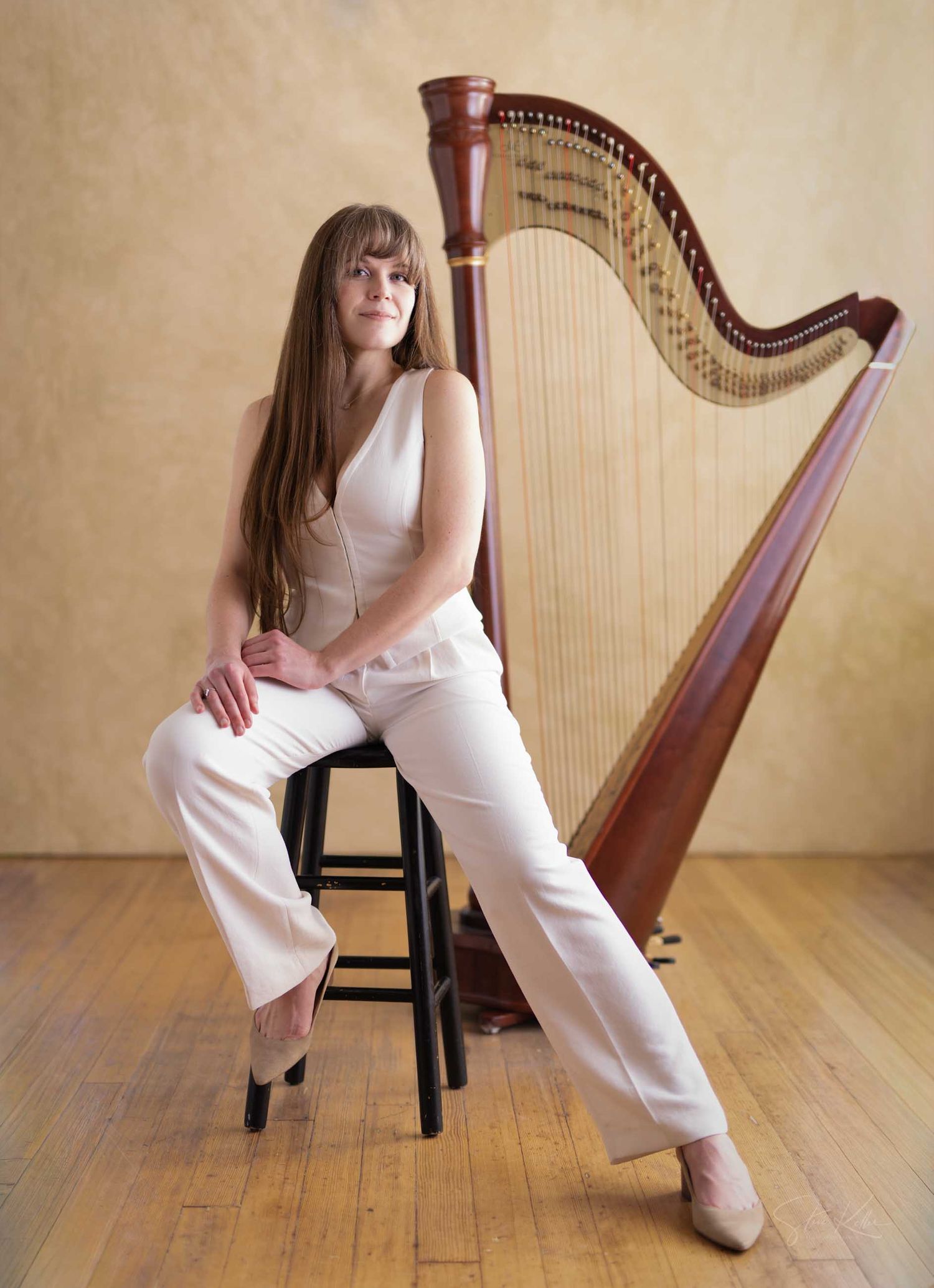
The strongest gallery included three clear categories of assets. First, there were polished head-and-shoulders portraits for profile use and press needs. Second, there were mid-length and seated portraits that suggested leadership and ease, useful for website pages and marketing collateral. Third, there were more spacious compositions designed with practical placement in mind, giving room for headlines, text overlays, or crop flexibility.
That range made the session far more useful than a narrow gallery would have been. A single excellent portrait can carry a LinkedIn profile. It cannot support an entire visual brand presence.
Another useful outcome was consistency. Because lighting, styling, and direction were all built from the same strategy, the final photographs felt unmistakably connected. That coherence gives a business a more mature visual identity, even before any redesign or rebrand takes place.
## What improved after the shoot
The most immediate improvement was clarity. Her website no longer relied on filler images or awkward placeholders. She could present herself with the same level of care and intention she already brought to her client work.
The second improvement was confidence. This is easy to dismiss until you see it happen. When clients have a strong image library, they stop hesitating every time they need to submit a bio, announce a speaking engagement, update a service page, or publish promotional content. They move faster because the visual decision-making has already been done well.
The third improvement was longevity. Because the session avoided overly trendy styling and leaned into a timeless, editorial sensibility, the images had staying power. That matters for professionals who want branding assets that remain relevant beyond a single launch cycle.
## Lessons from this personal branding shoot case study
The biggest lesson is that branding photography works best when it begins with identity, not aesthetics alone. Beautiful lighting and expert retouching help, of course. But if the images do not match the client's actual voice, they become decorative rather than useful.
The second lesson is that restraint often reads as confidence. Clients sometimes assume they need multiple locations, many outfits, and constant variation to justify a branding session. Sometimes that is true. Sometimes it creates visual noise. It depends on the business, the audience, and how the images will be used. For this client, a focused studio session delivered more sophistication than a scattered concept would have.
The third lesson is that comfort is not a luxury detail. It is part of the craft. When a subject feels seen, guided, and never rushed, the images carry more honesty. That is especially important in branding work, where trust is often the first thing a potential client is deciding.
In Seattle, where many professionals operate in competitive, visually literate industries, that difference is not trivial. People notice when a portrait feels generic. They also notice when an image feels intentional, expressive, and fully in step with the person behind the business.
A successful branding session should leave you with more than flattering photographs. It should give you a visual foundation that feels like your work at its best - clear, confident, and ready to be seen.